Where Europe Ends
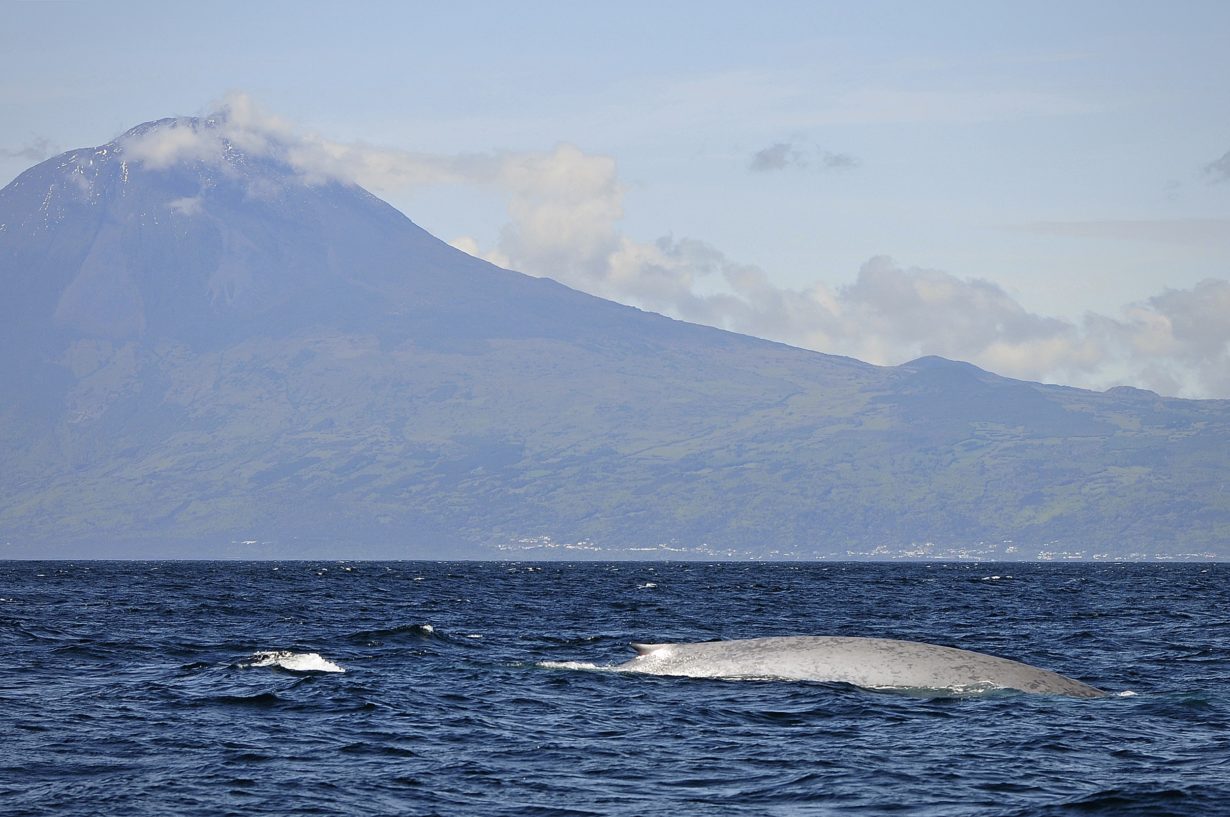
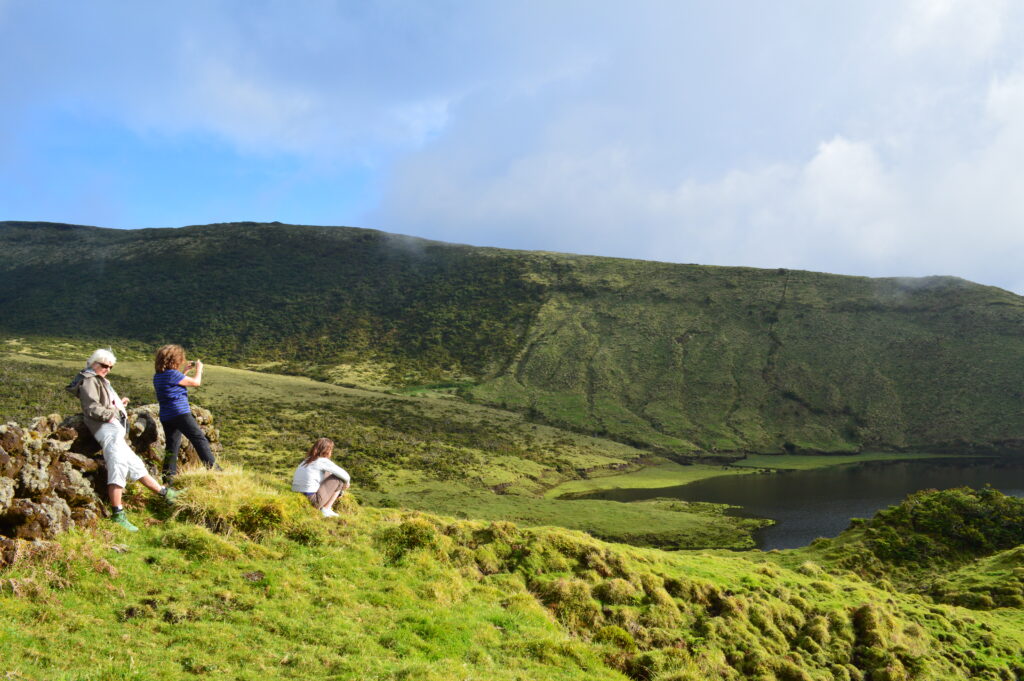
This is where Europe ends — 38° North, 30° West, about 800 nautical miles from the nearest coast, in the middle of the Atlantic Ocean.
The Azoreans, isolated for centuries, survived through agriculture, fishing, and whaling. Their courage and skill at sea inspired Herman Melville to write his legendary tale, Moby Dick.
For the last 30 years, it has been strictly forbidden to harm cetaceans in the Azores.
The south coast of Pico Island, favoured by sperm whales, has become one of the best whale-watching sites in the world. Here, guided by Luís and Paulo at the Vigia da Queimada lookout, you can observe whales up close — respectfully and responsibly.
Our project goes beyond observation. It includes an introduction to the whaling culture and traditions of Lajes — where the last whalers became the first whale watchers. These men and women are living witnesses to a profound transformation: from hunting whales to protecting them.
Today, wildlife observation holidays that respect both the animals and local culture are a natural continuation of this story. Whale watching allows Azoreans to remain connected to whales long after the end of hunting in 1984 — an alternative way of life that supports the Lajes community while protecting the giants of the sea.
The Call of the Ocean
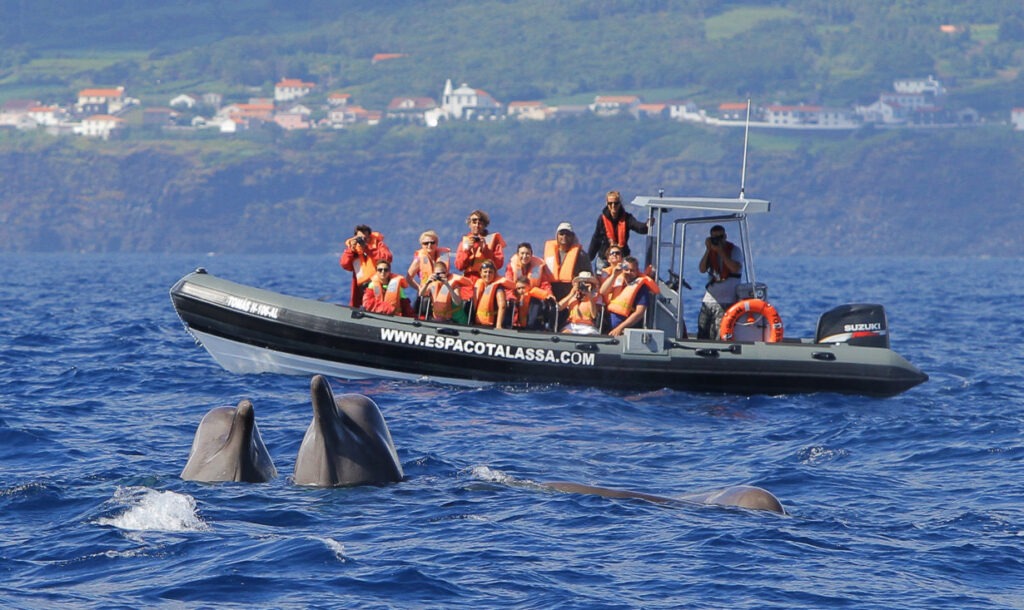
Every day at sea is different — and that’s what makes it extraordinary. One moment the ocean is calm and reflective, the next it’s alive with movement and sound. Sperm whales rise to breathe, dolphins dance alongside the bow, and seabirds glide just above the waves.
These moments remind us how small we are, yet how deeply connected to nature we can be.
Whale watching in the Azores isn’t just about seeing wildlife; it’s about feeling part of a living ocean — wild, vast, and endlessly inspiring.
When to Visit
The whale-watching season in the Azores runs from March to November, when sea conditions are calmest and marine life is most active.
- Spring (March–May) – The great migratory whales — blue, fin, and sei whales — pass through Azorean waters on their northward journey.
- Summer (June–August) – The season of resident species: sperm whales, bottlenose and spotted dolphins, often seen with their calves.
- Autumn (September–November) – Quieter seas and warm light make it the perfect season for smaller groups and more intimate encounters.
Each season offers something unique — but the essence remains the same: authentic encounters with wild nature in one of the last great sanctuaries of the Atlantic.