Whale & dolphin watching
The Whales and Dolphins of Queimada
From
€49

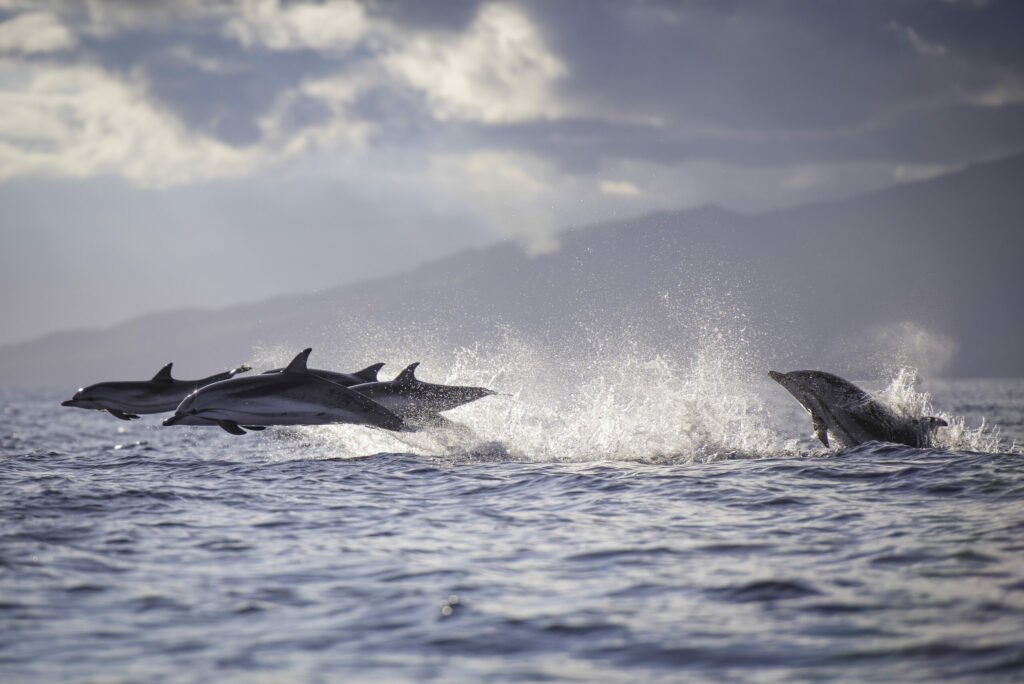
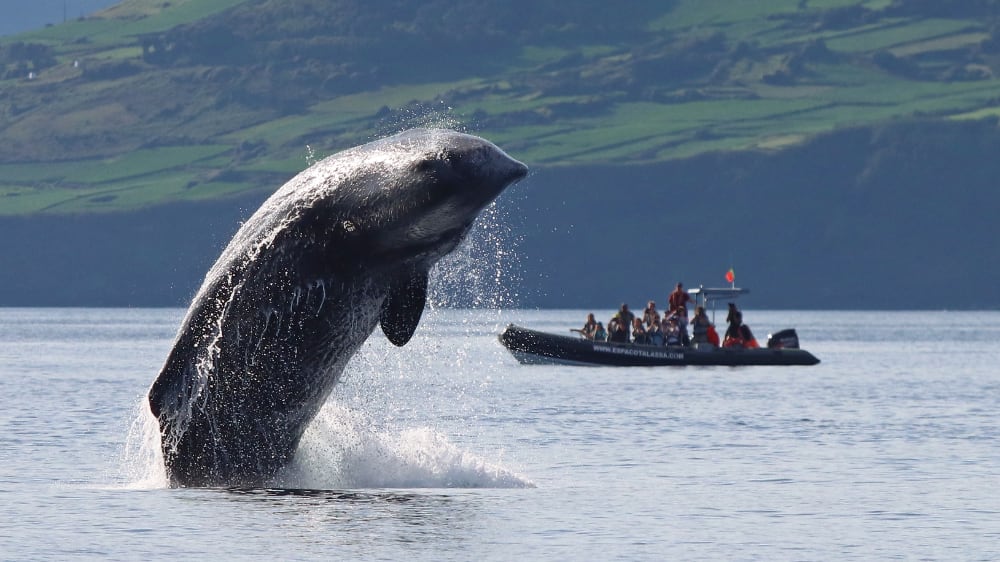
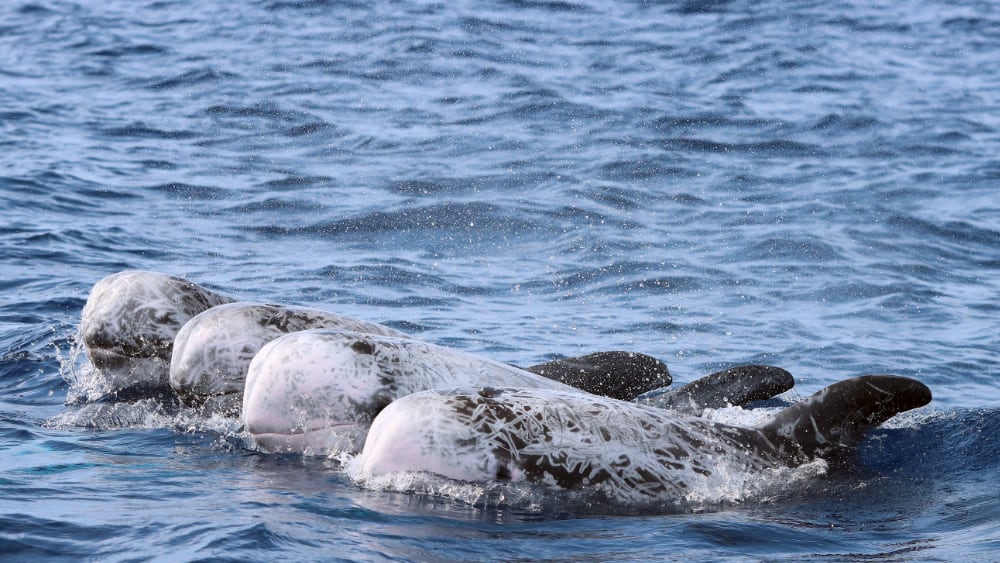
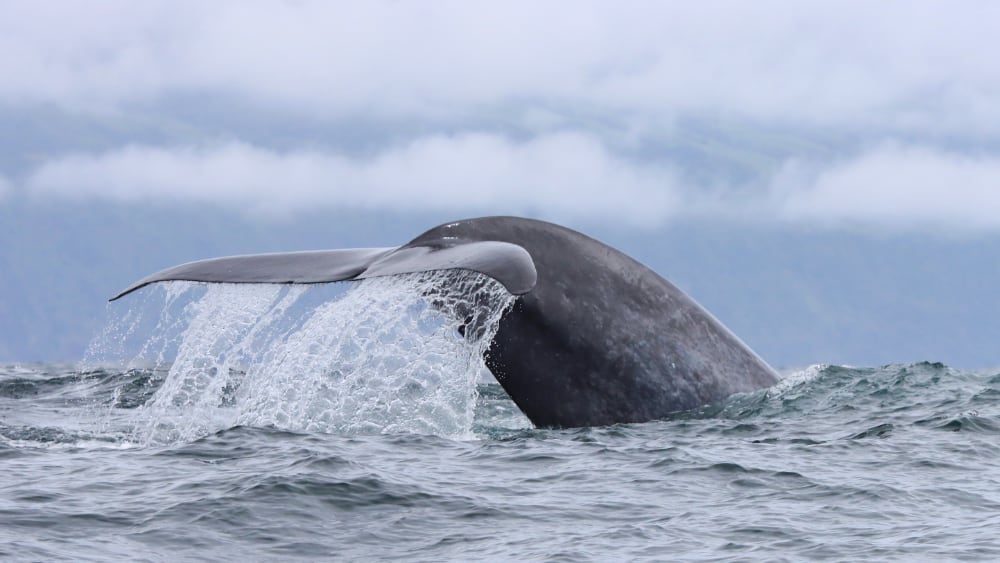
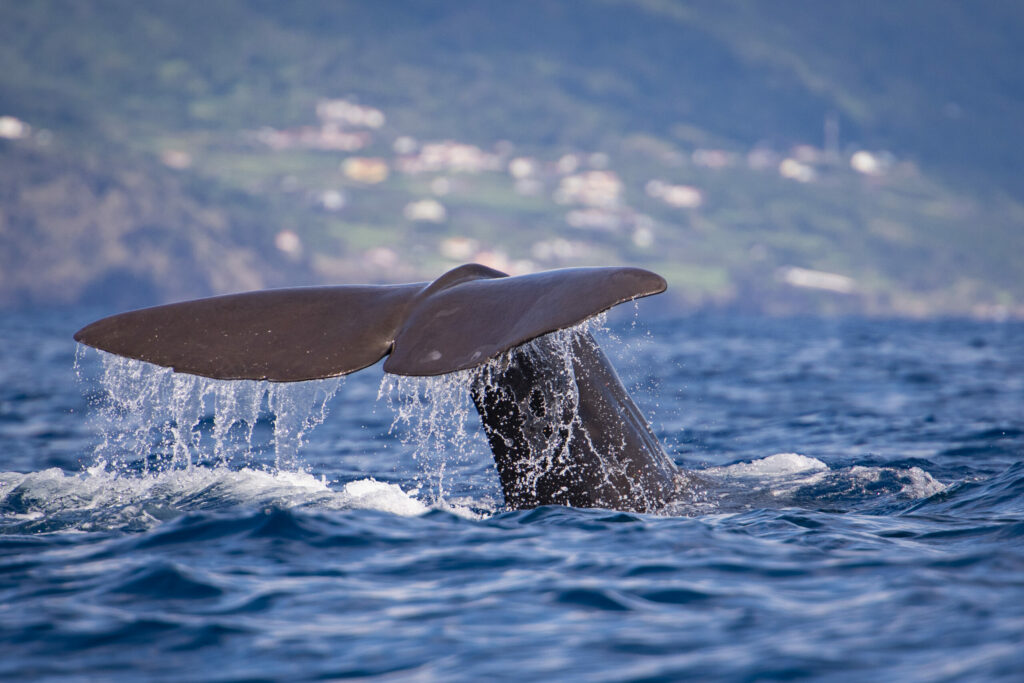
With over three decades of experience in the Azorean waters, Espaço Talassa has built its reputation on passion, respect, and knowledge.
Our team is proudly multicultural. Rooted in the Azores, we have over the years welcomed members from the Netherlands, Germany, England, France, Brazil, and Spain. This diversity of origins and perspectives remains our greatest strength.
Lajes do Pico, on the southern coast of Pico Island, is recognized as one of the ten best places in the world for whale watching and without doubt the best in the Azores.
Here, tourism remains small scale, encounters are intimate, and the diversity of species is exceptional. With little visual pollution and the majestic Pico Mountain as a backdrop, this is whale watching at its purest.
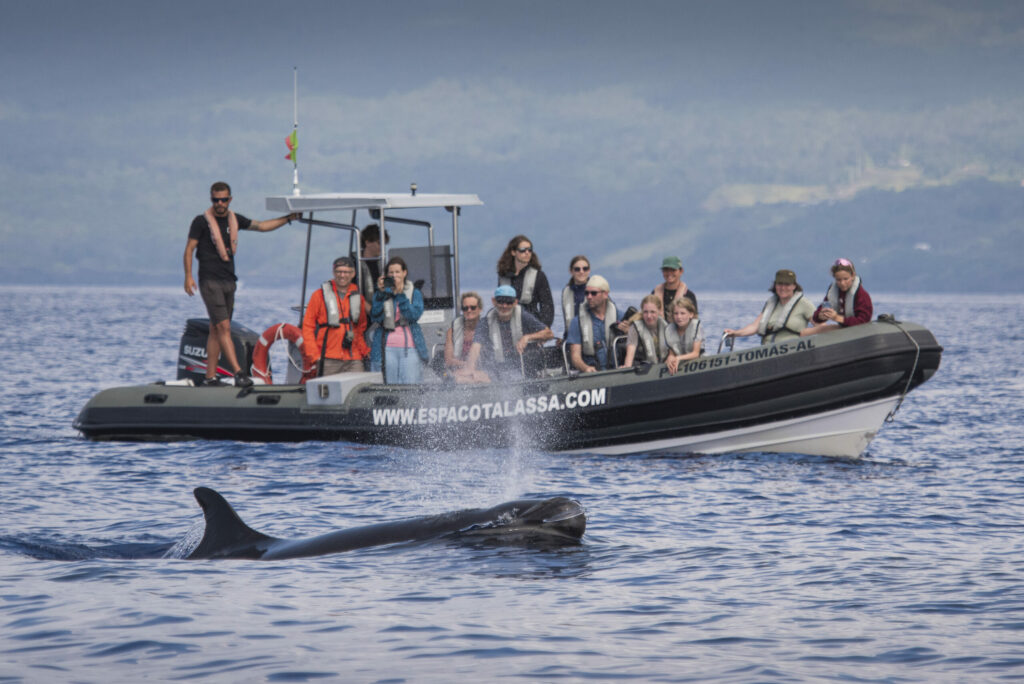
Our fleet includes 12-passenger and 24-passenger semi rigid boats. Most days, you’ll find us out on the larger vessel: it’s simply the more responsible choice, with more guests sharing the same journey and the same low impact on the ocean. When demand peaks, our smaller boat joins in to make sure everyone gets their chance to see the whales.
Before every trip, we hold a 15 to 20 minute multimedia briefing covering marine biology, animal behaviour, Azorean whaling history, ecology, and legislation.
After returning to port, we gather for a friendly debriefing around a drink, discussing the species observed and answering your questions.
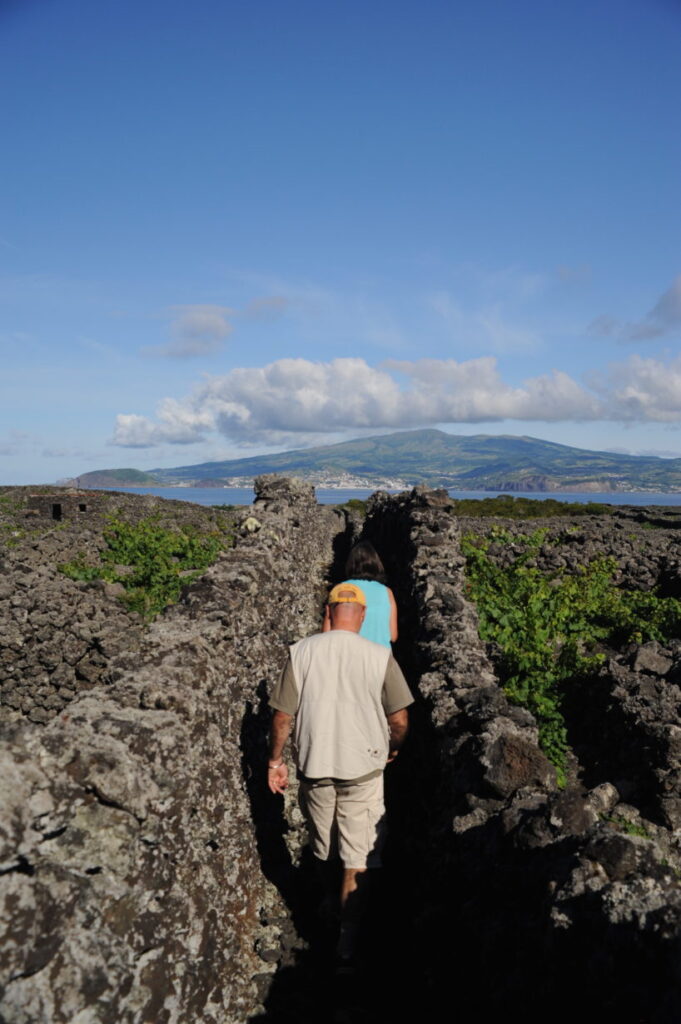
Our whale watching operations are coordinated from the Vigia da Queimada, an observation post unique in the Azores.
At least two professional lookouts monitor the ocean, directing a maximum of four boats. They locate animals, guide the vessels, manage boat speed and positioning, and ensure encounters remain safe and non intrusive.
Trust and teamwork between our lookouts and skippers are essential, a tradition built from decades of experience.


At Espaço Talassa, every trip begins with knowledge, not luck.
From our exclusive land-based lookout, the Vigia da Queimada, our team tracks the movements of whales and dolphins long before you step on board.
Each morning, before departure, we hold a short briefing to share the lookout’s observations: which species are around, how far they are, the size and behaviour of the groups, and current sea conditions.
This preparation means we never leave the harbour blindly. We set out informed, focused, and ready to give you the best possible encounter, respectful of the animals, and rich in experience.