
Pioneers Since 1989
Espaço Talassa was founded in 1989 by Serge Viallelle and Alexandra Teles, just two years after the last sperm whale was hunted in Lajes do Pico. What had been, for generations, a whaling village became the birthplace of whale watching in Portugal — and we are proud to have been the first company in the country to make that transition. Nearly four decades later, much of what we do still draws on the knowledge of former whalers and the bond between land lookouts and skippers that defined Azorean whaling tradition.
35 + Years of Experience at Sea from the Azores
With over three decades of experience in the Azorean waters, Espaço Talassa has built its reputation on passion, respect, and knowledge.
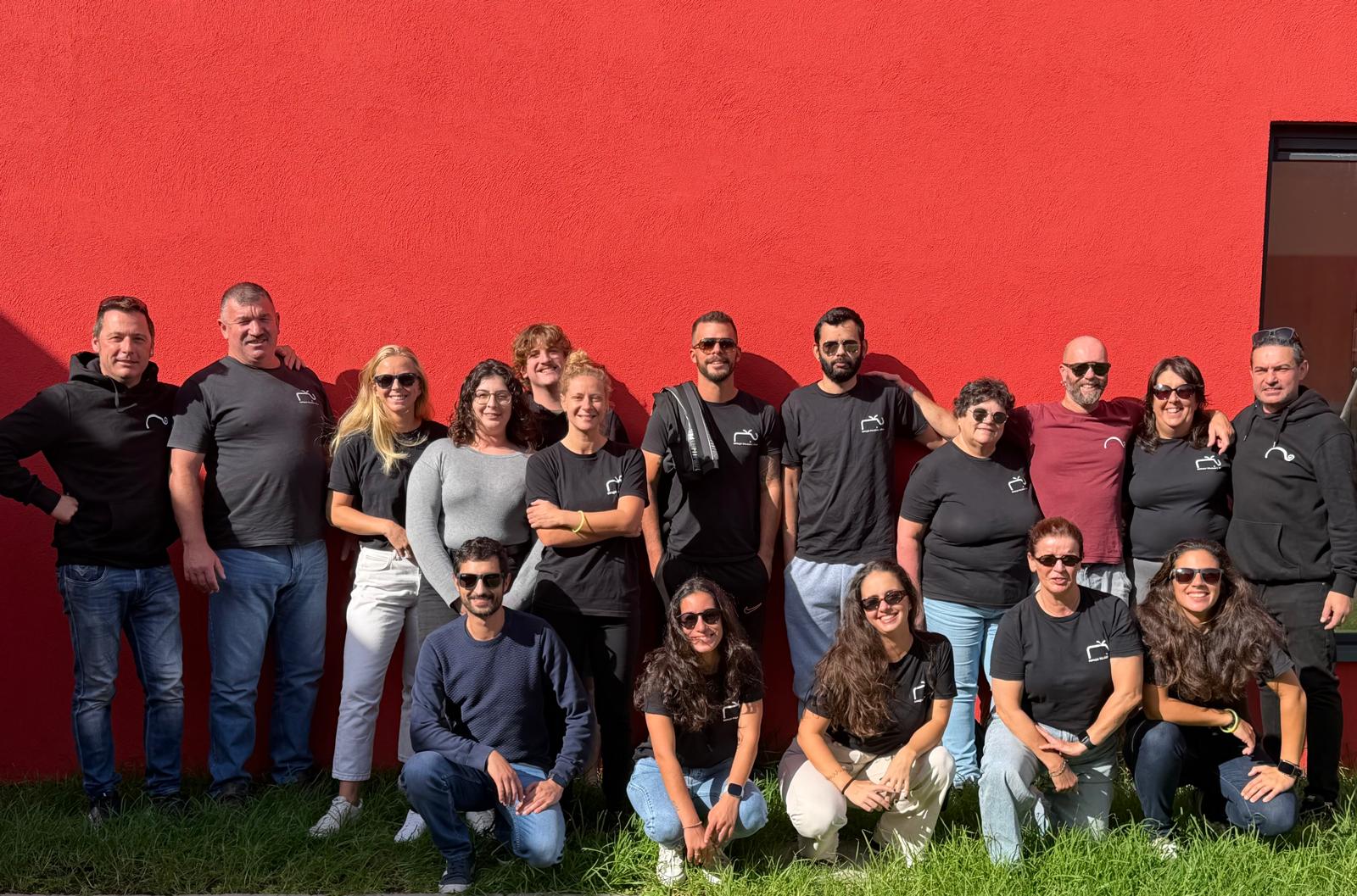
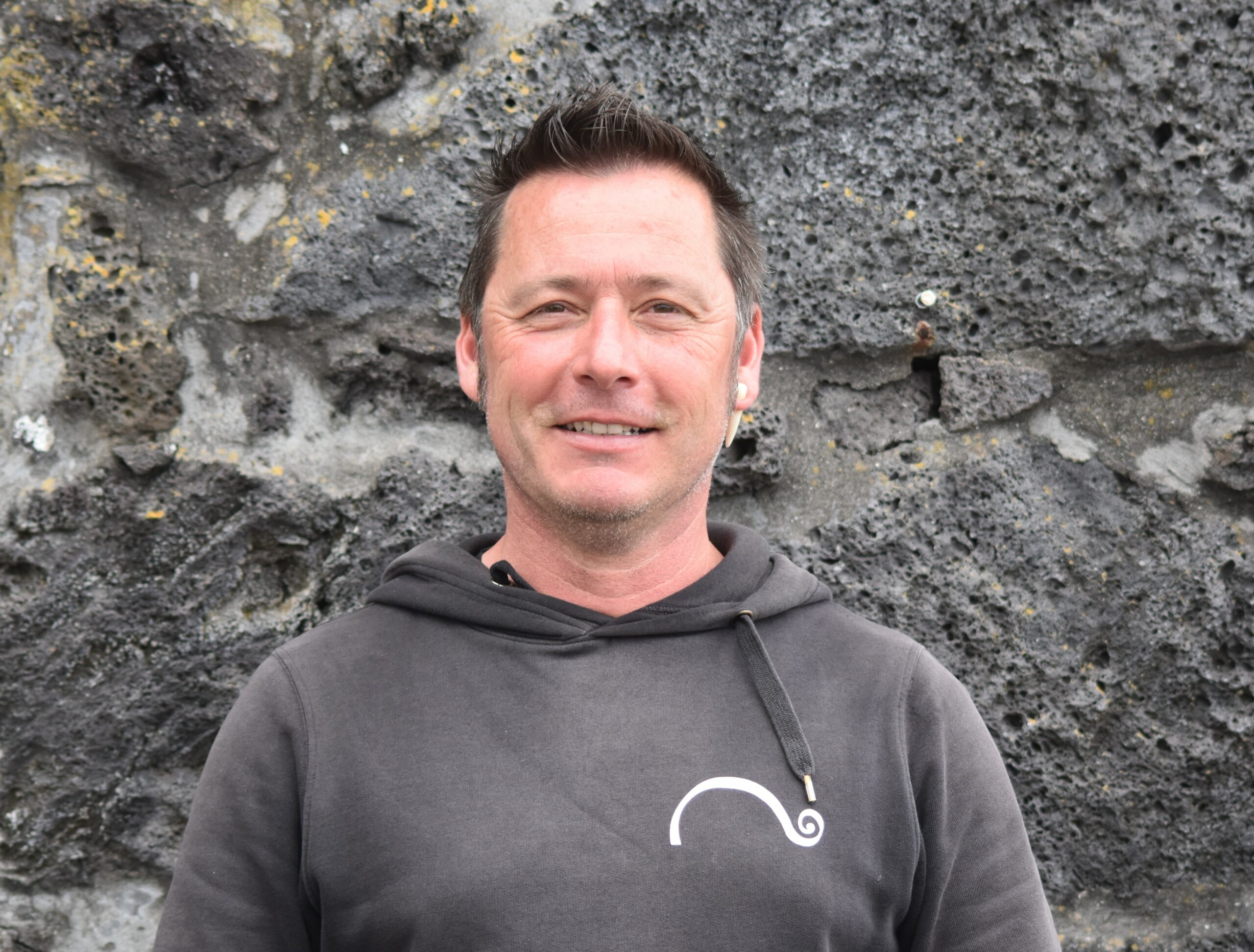
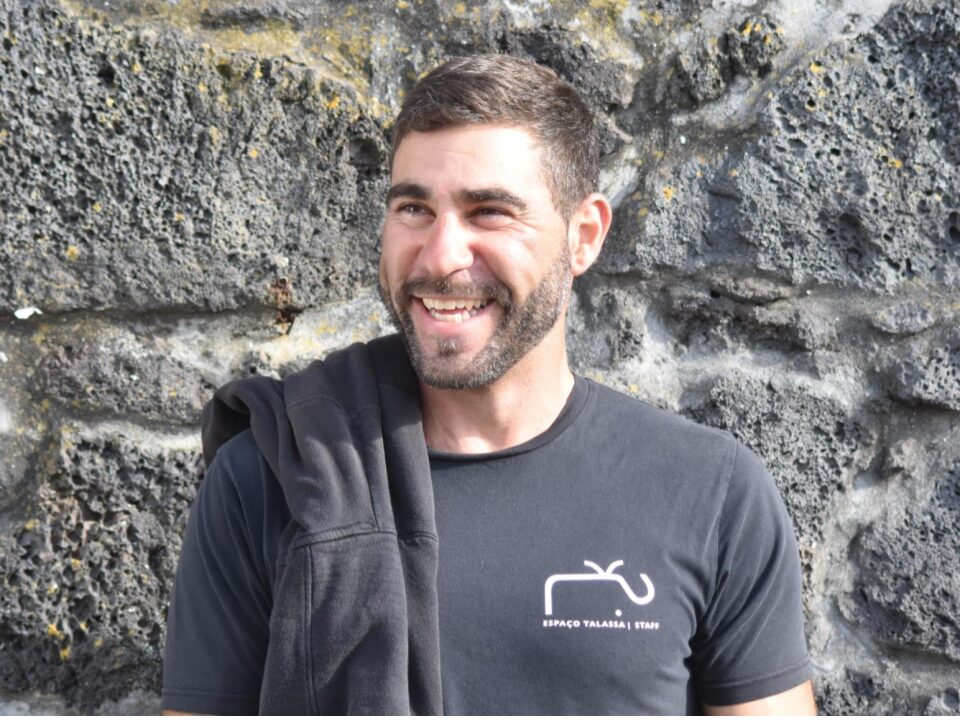
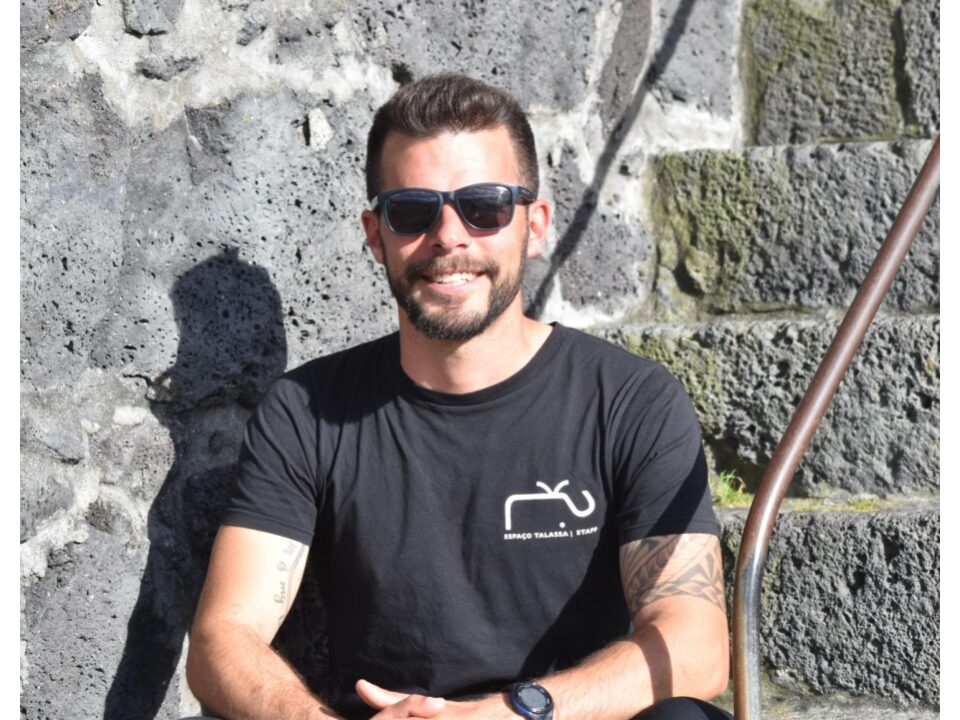
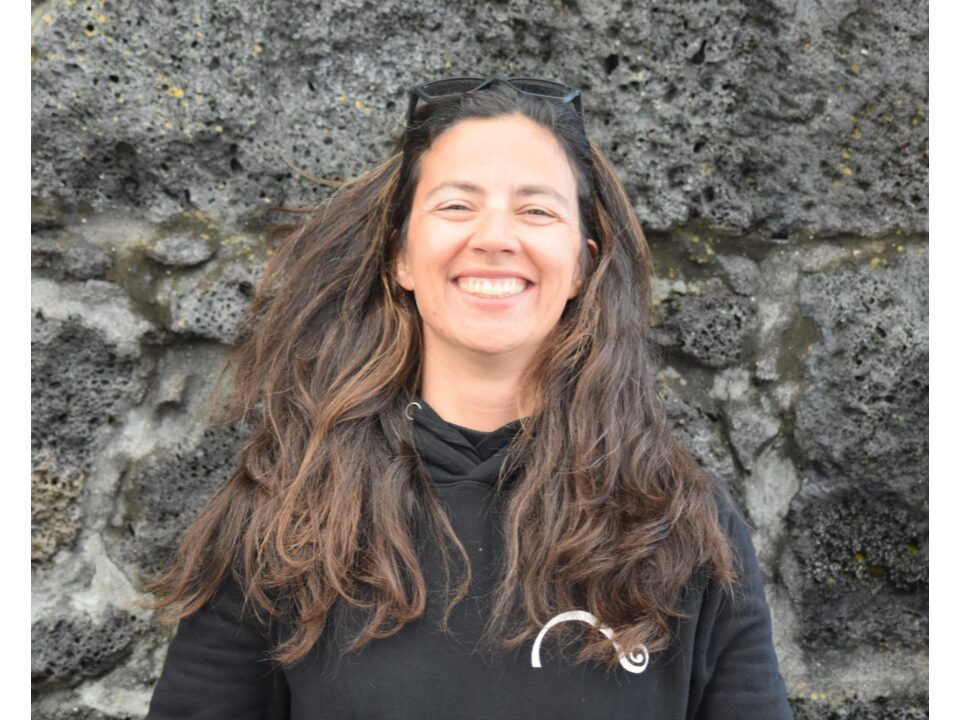
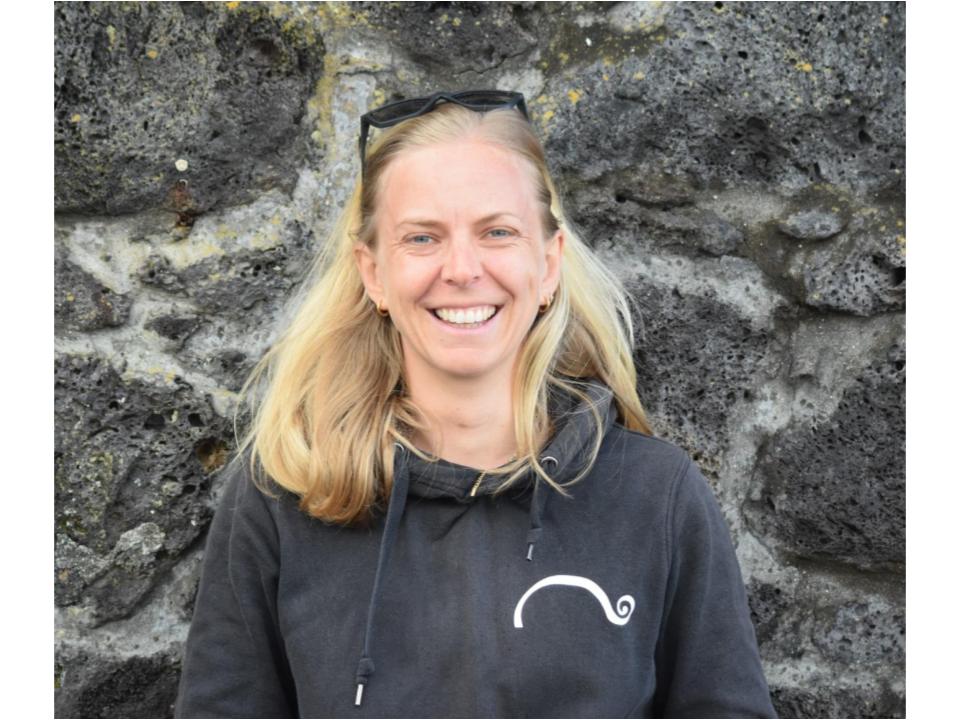
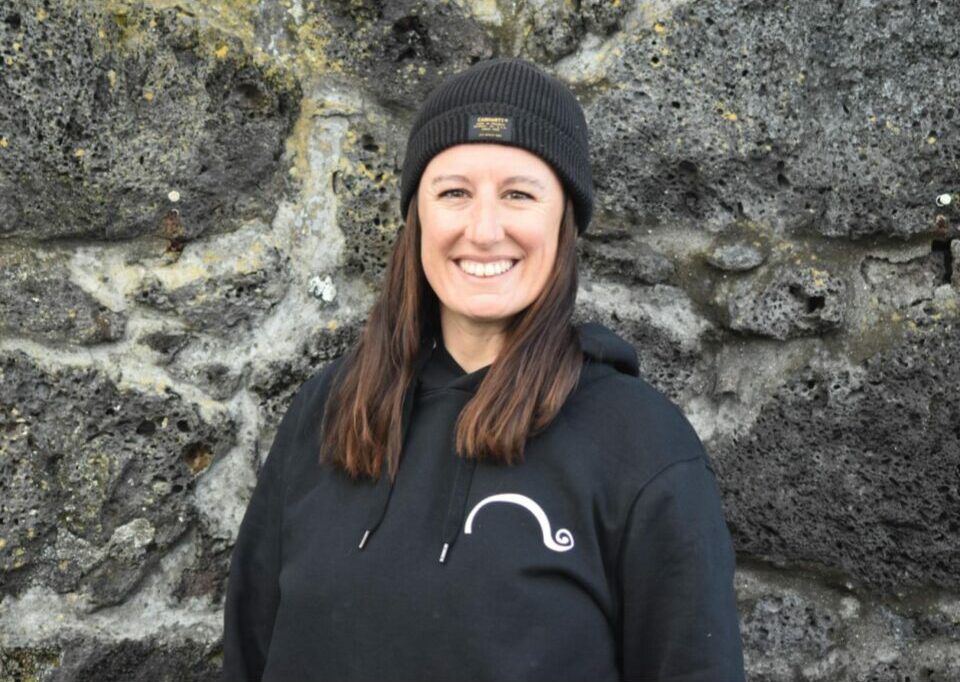
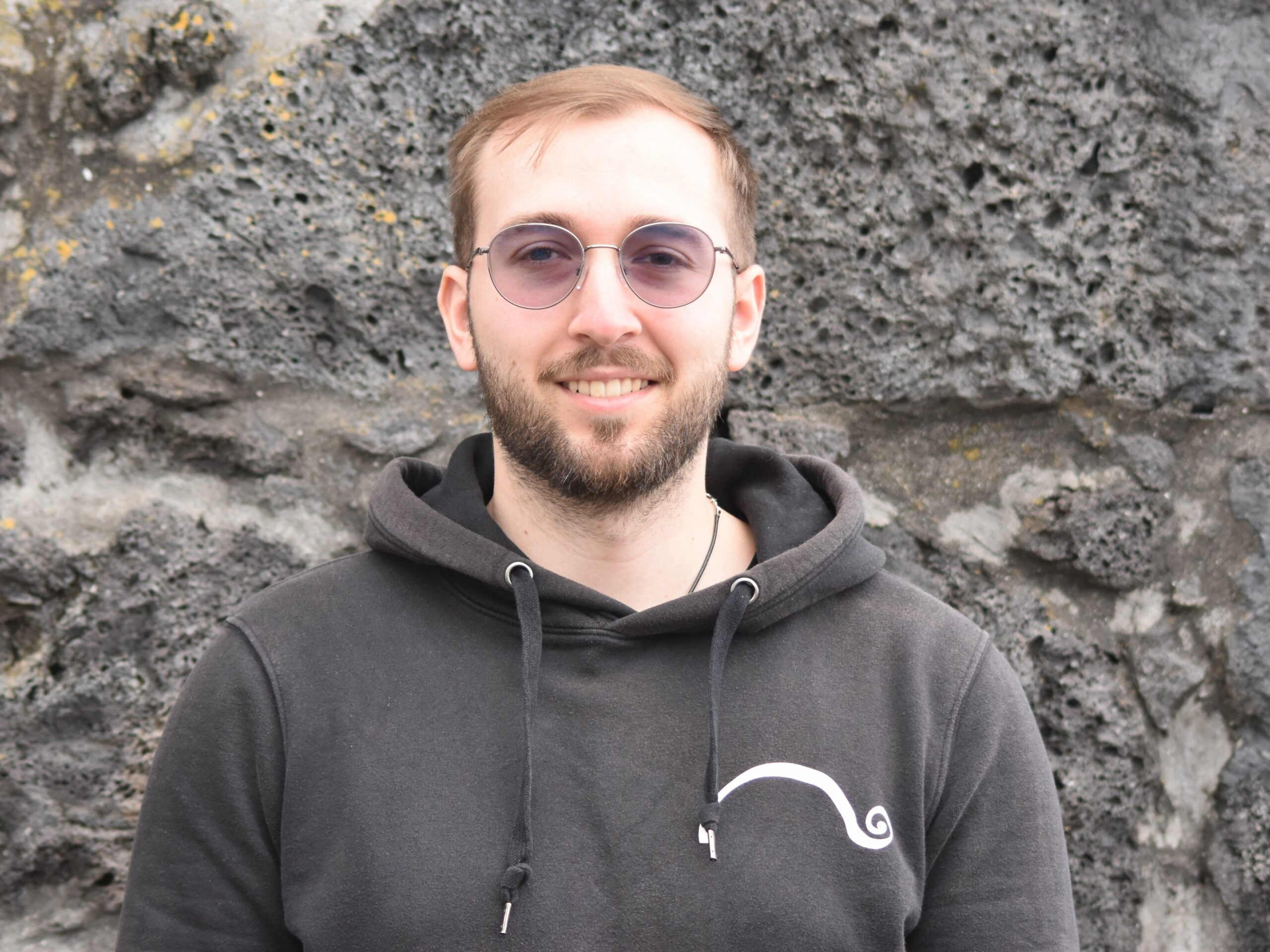
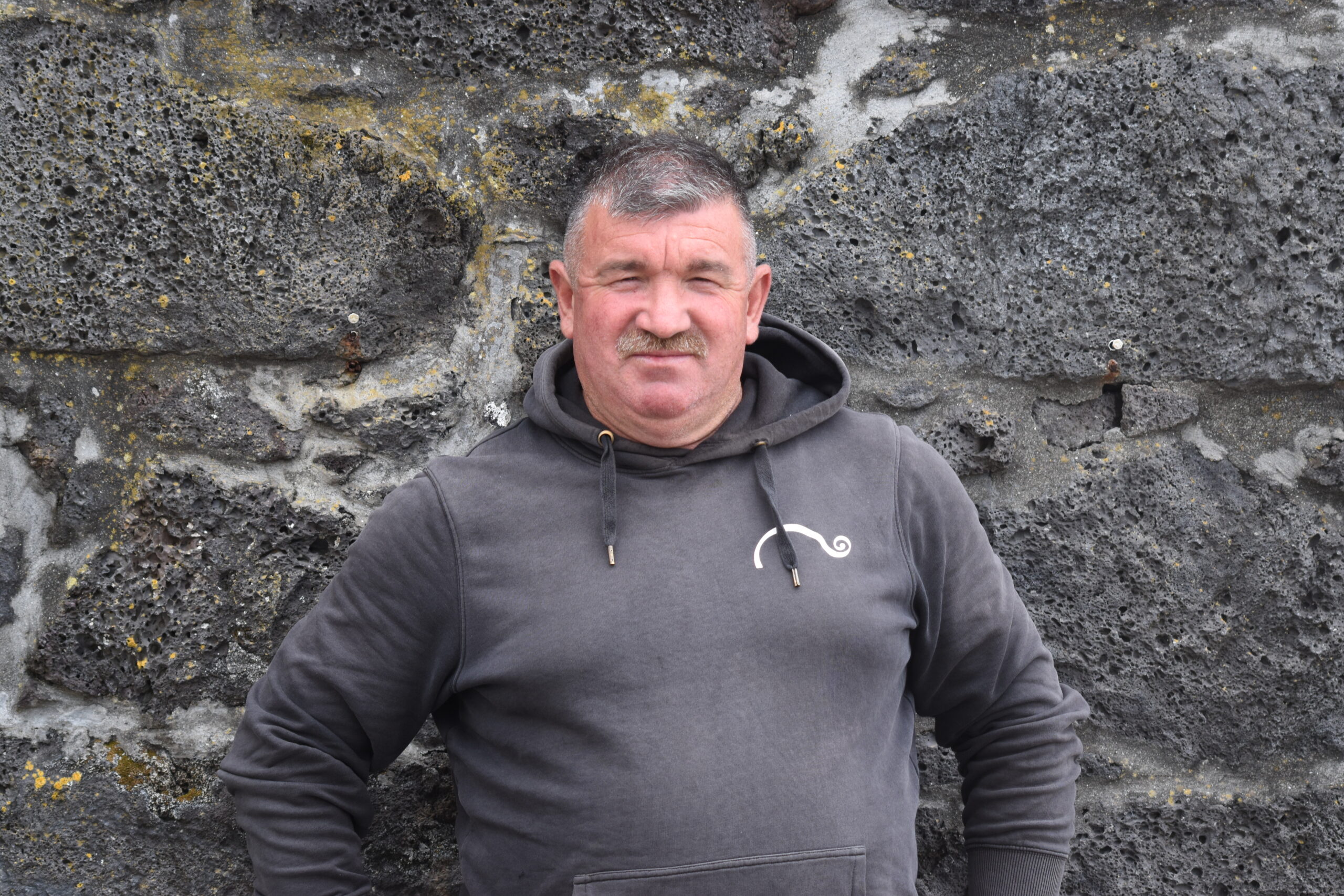
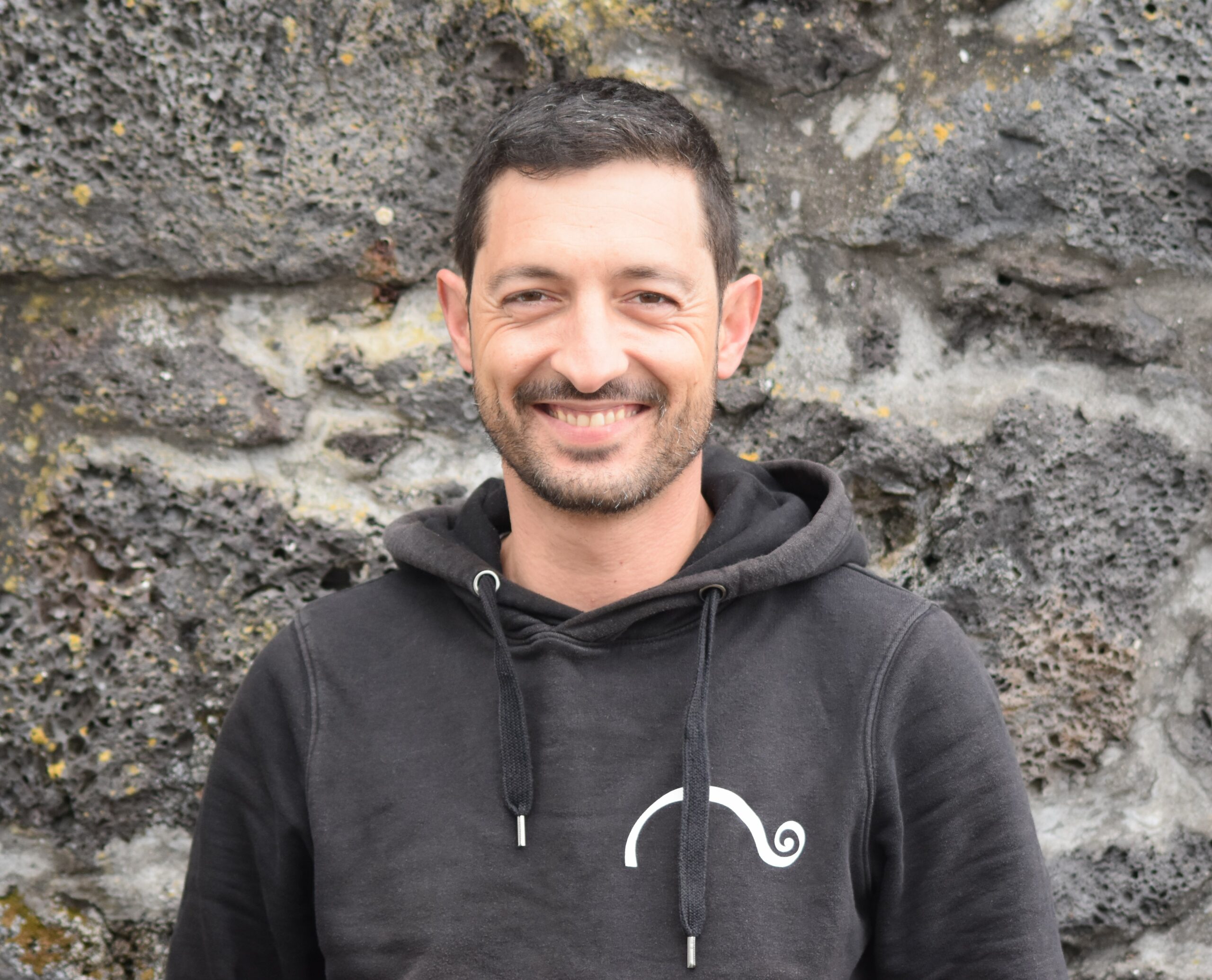
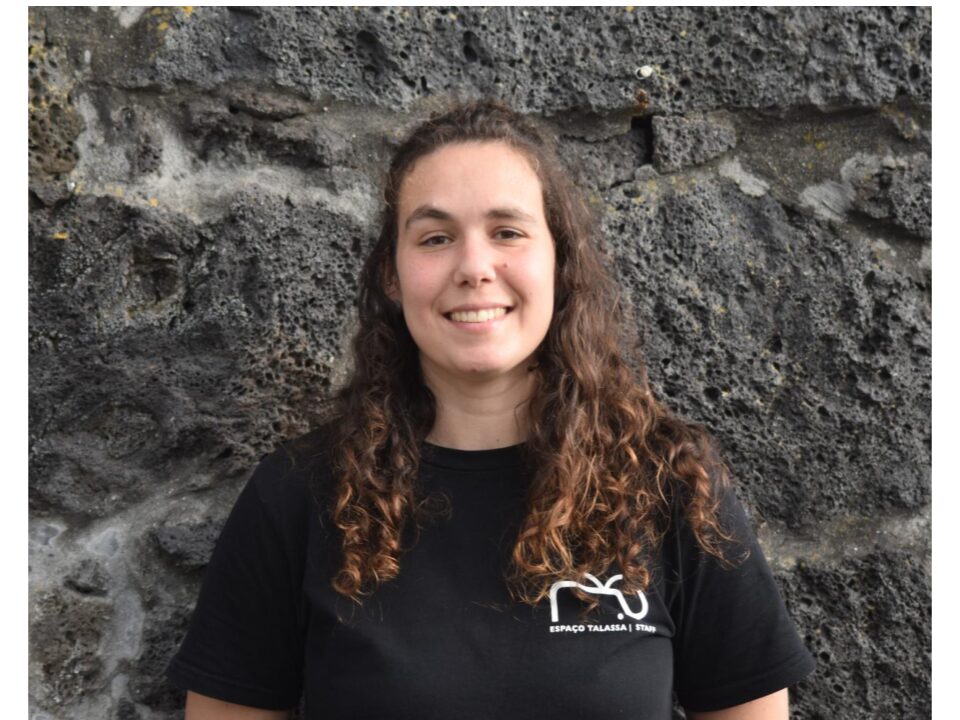
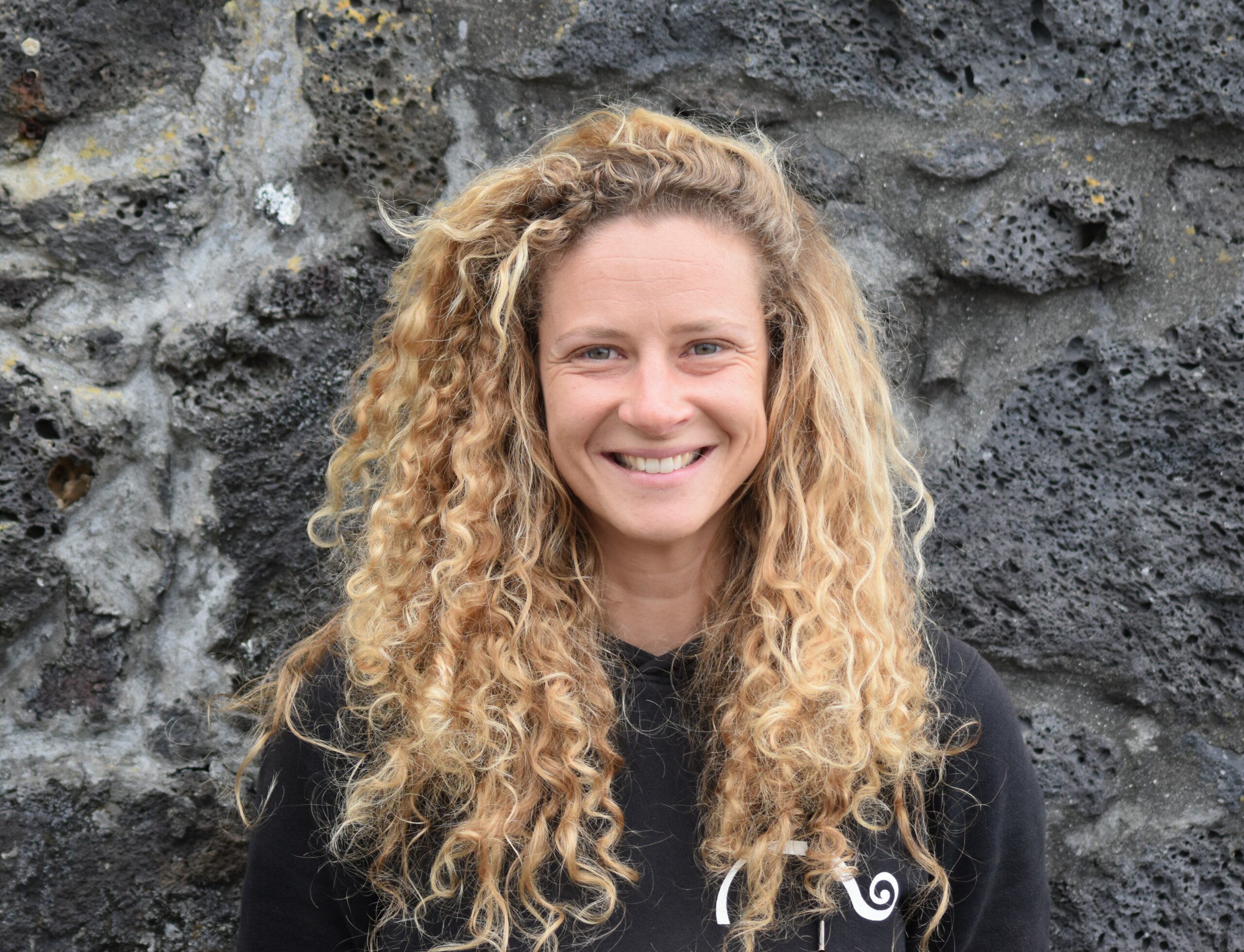
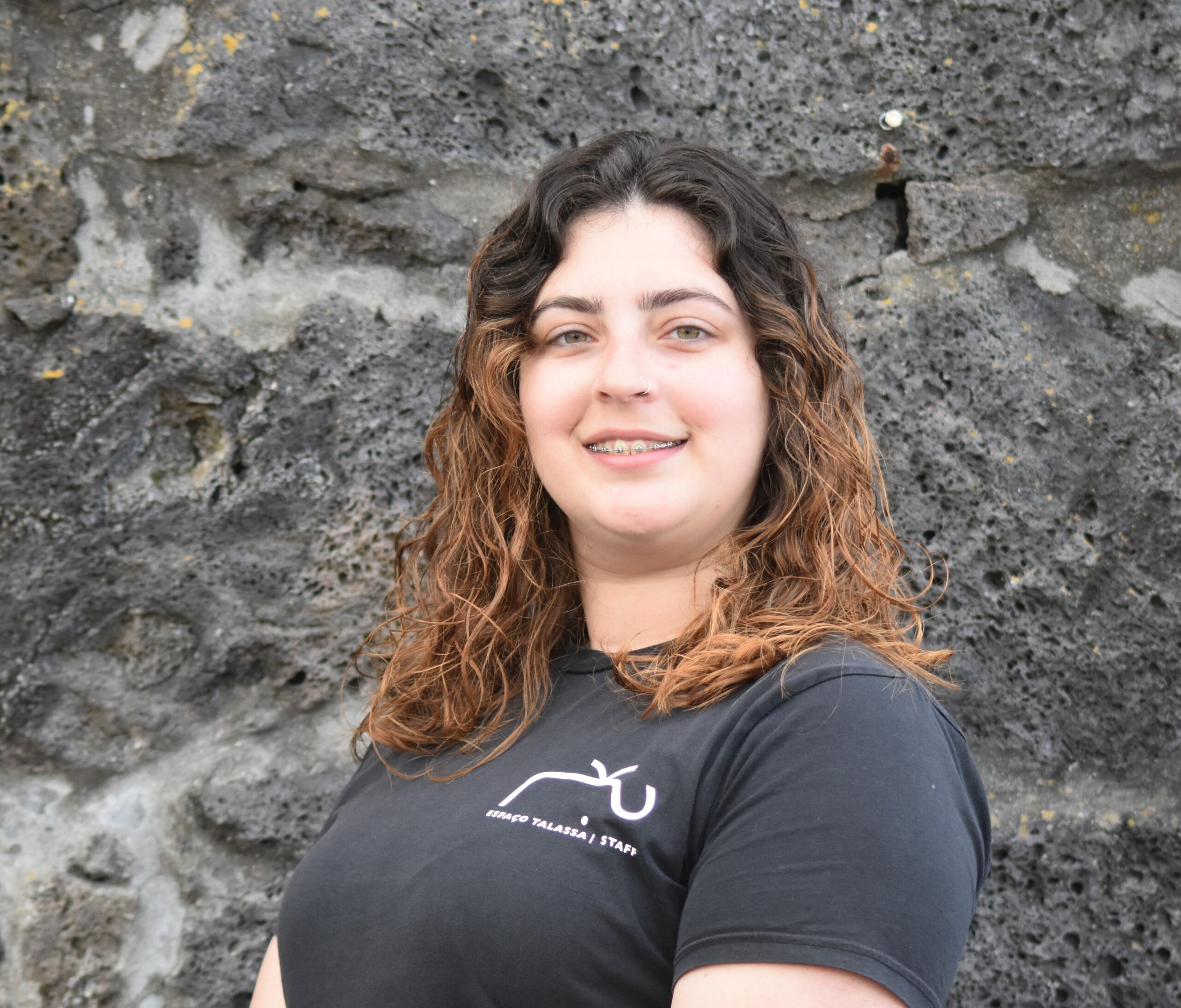
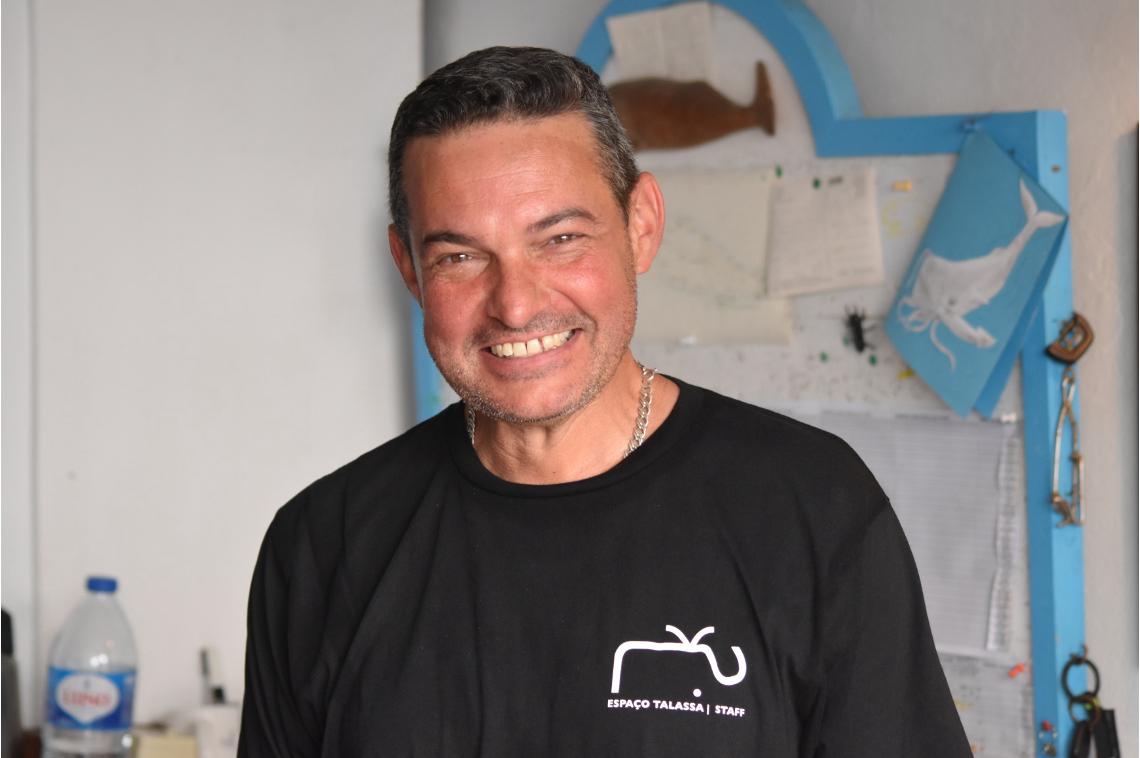
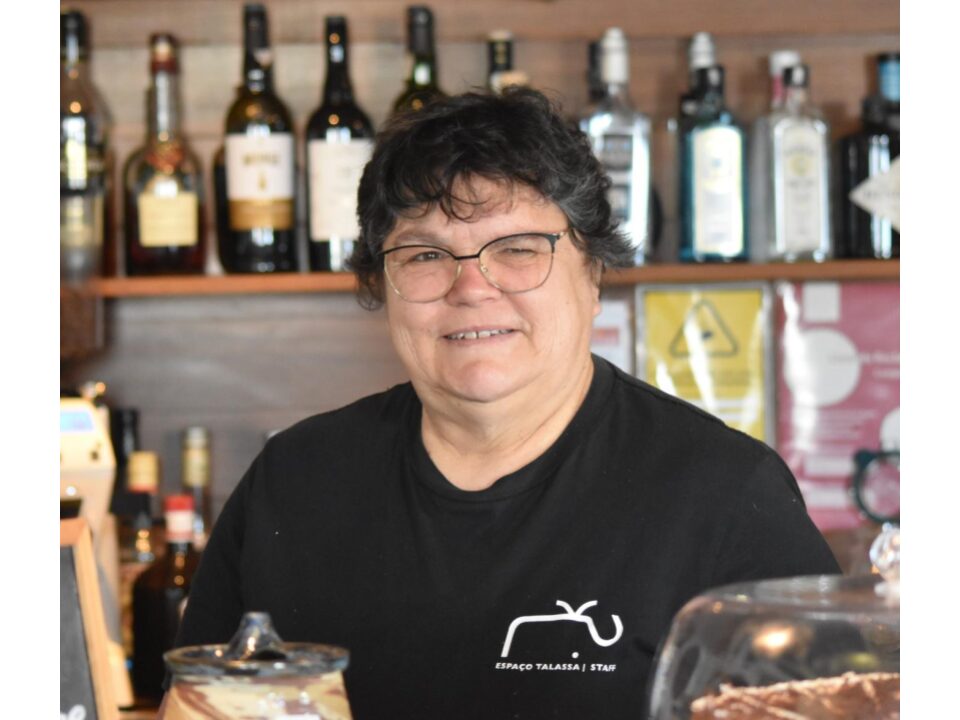
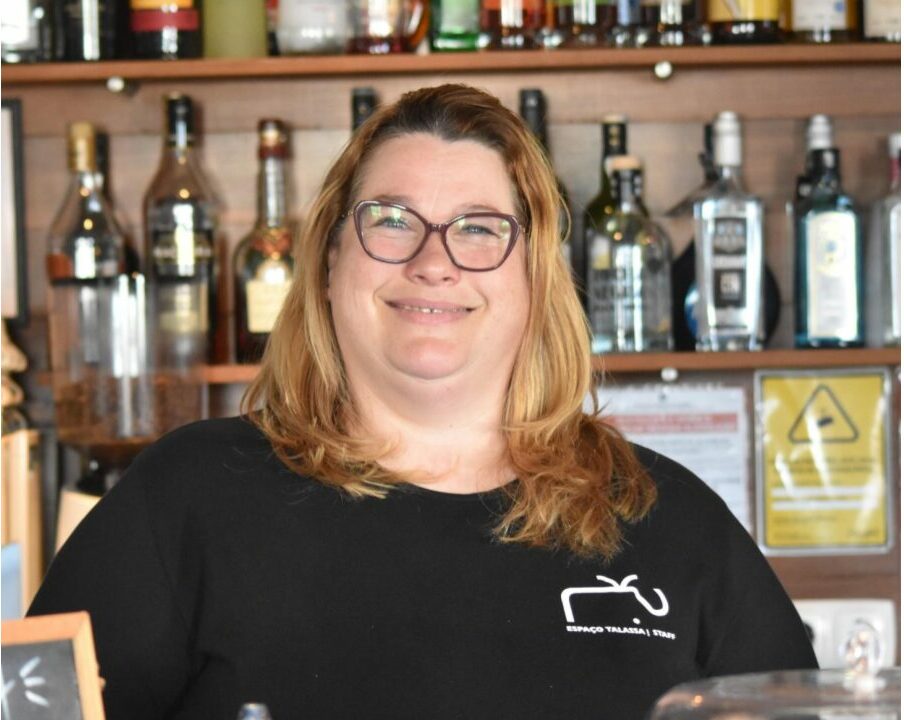
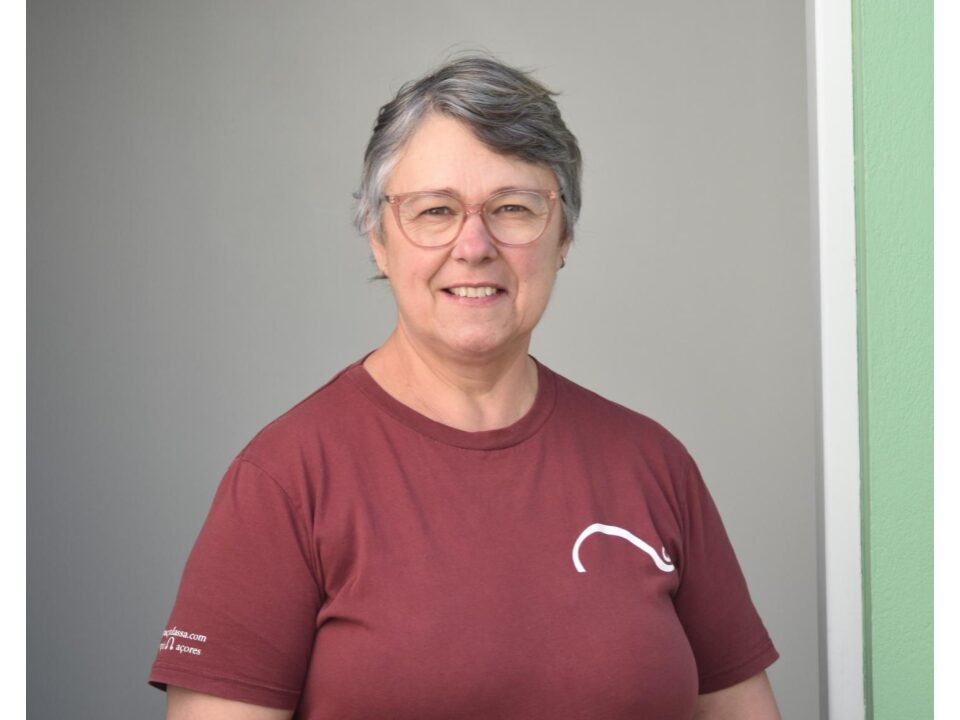
Our team is proudly multicultural. Rooted in the Azores, we have over the years welcomed members from the Netherlands, Germany, England, France, Brazil, and Spain. This diversity of origins and perspectives remains our greatest strength.
One of the 10 Best Whale Watching Spots in the World
Lajes do Pico, on the southern coast of Pico Island, is recognized as one of the ten best places in the world for whale watching and without doubt the best in the Azores.
Here, tourism remains small scale, encounters are intimate, and the diversity of species is exceptional. With little visual pollution and the majestic Pico Mountain as a backdrop, this is whale watching at its purest.
28 of 29 Species Recorded in the Azores
The Azores are home to one of the richest concentrations of cetacean diversity in the world: 29 species have been officially recorded across the archipelago, and over the years we have observed 28 of them ourselves. Sperm whales are resident year round and remain our signature encounter. In March and April, we are visited by the largest animal to have ever lived on Earth — the blue whale — alongside fin, sei, and humpback whales on their migration north. From spring through autumn, several other species accompany us almost daily.
The Vigia da Queimada – Exclusive to Espaço Talassa
Our whale watching operations are coordinated from the Vigia da Queimada, an observation post unique in the Azores.
At least two professional lookouts monitor the ocean, directing a maximum of four boats. They locate animals, guide the vessels, manage boat speed and positioning, and ensure encounters remain safe and non intrusive.
Trust and teamwork between our lookouts and skippers are essential, a tradition built from decades of experience.
Right-Sized, Low Impact
Our fleet includes 12-passenger and 24-passenger semi rigid boats. Most days, you’ll find us out on the larger vessel: it’s simply the more responsible choice, with more guests sharing the same journey and the same low impact on the ocean. When demand peaks, our smaller boats join in to make sure everyone gets their chance to see the whales.
All boats are powered by low emission four stroke engines, producing less noise and chemical pollution.
We limit our groups to a maximum of 12 – 24 passengers per boat, ensuring a human scale approach and a deeper connection with both nature and crew.
Before and After the Sea
Before every trip, we hold a 15 to 20 minute multimedia briefing covering marine biology, animal behaviour, Azorean whaling history, ecology, and legislation.
After returning to port, we gather for a friendly debriefing around a drink, discussing the species observed and answering your questions.
Three Decades of Sightings, Shared with Science
Since 1994, our biologists have logged every trip and every sighting. This continuous record — one of the longest of its kind in the Azores — feeds collaborations with research projects and contributes to a wider understanding of cetacean populations in the North Atlantic. When you come out with us, your trip is not only an experience: it becomes part of three decades of data helping to protect these animals.
Responsible Travel
By choosing Espaço Talassa, you are supporting a responsible approach to whale watching.
We actively work to reduce our environmental impact. For every guest, approximately €0.50 is donated to a tree planting and CO₂ compensation project that helps offset the emissions linked to our activity.
Solidary Tourism
We believe that meeting whales and dolphins should not be a privilege but a shared experience.
Through our Solidariedade Project, we make our sea trips accessible to the local population — the children of former whalers, students, young people, and those facing financial hardship — for a symbolic contribution of €39.
Featured Around the World
Over more than three decades, our work has drawn scientists, photographers, and journalists to Lajes do Pico — and Espaço Talassa has been featured in publications such as National Geographic, GEO, Terre Sauvage, Visão, and Público, among many others across Europe, the Americas, and Asia. In 2010, our co-founder Serge Viallelle was awarded the Portuguese Silver Medal of Merit for Tourism in recognition of his pioneering role in Azorean whale watching.
Transparency and Reality
Our whale watching boats are fast and designed for active adventures.
For safety reasons, we cannot welcome pregnant women, people with reduced mobility, or those suffering from osteoporosis, sciatica, or similar conditions.
Comfort on board is basic, but the reward is direct contact with the natural elements: sometimes sunshine, sometimes rain, always the raw Atlantic.
The men’s restroom is to starboard, the women’s to port, both with a breathtaking view of the ocean.
Since 2017, we have chosen to end our swim with dolphins program out of respect for both guests and animals. The activity was too intrusive for the cetaceans and carried unnecessary risk for participants.
To learn more, read our article Why You Shouldn’t Swim with Dolphins.