 English
 Português
 Français
 Deutsch
Whale & dolphin watching
The Whales and Dolphins of Queimada
From
€55

We’ve been out in these waters for more than 35 years.
The team has its roots on Pico, but over the years Dutch, German, English, French, Brazilian and Spanish people have passed through. On board we speak a bit of everything, and the sperm whales have never complained.
Lajes do Pico, on the island’s south coast, is one of the ten best places in the world for whale watching and, without false modesty, the best in the Azores.
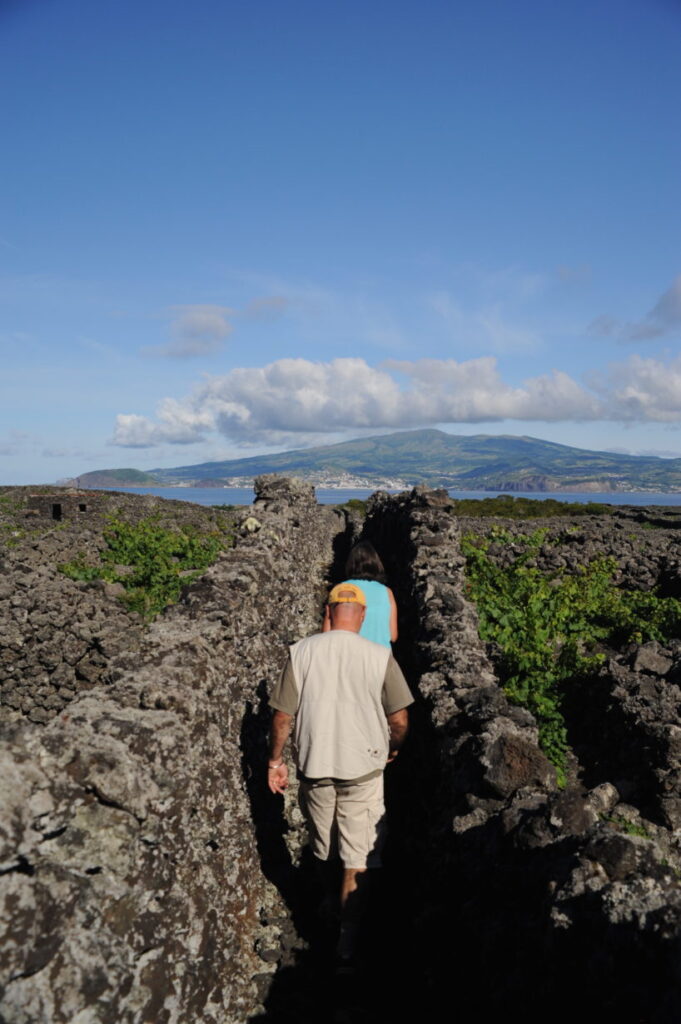
Little mass tourism, few boats around the animals and plenty of species. In the background, Pico Mountain, which insists on being in every photo.
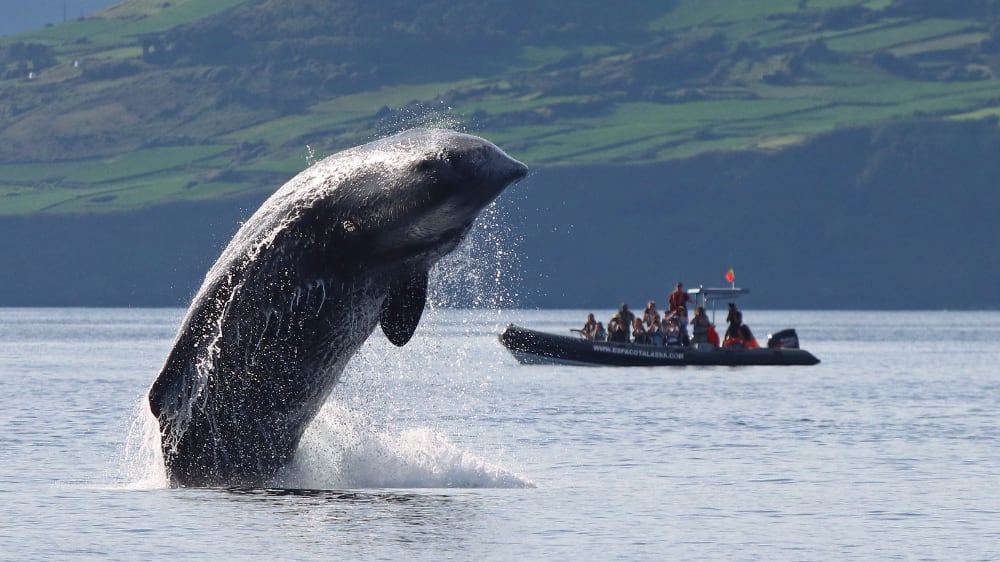
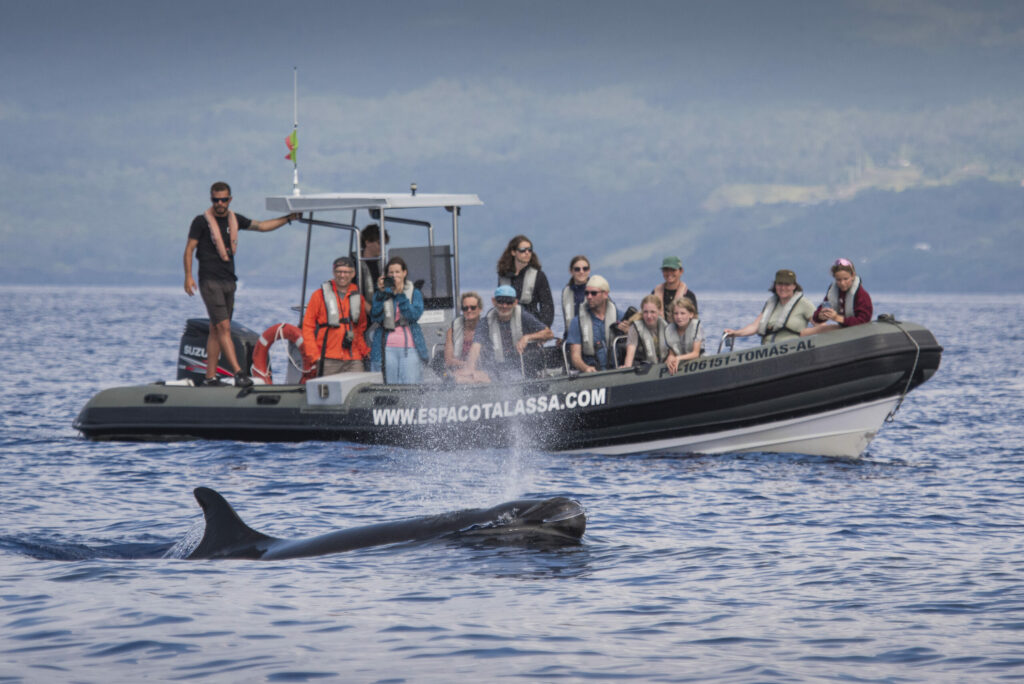
We have 12-passenger and 24-passenger semi-rigid boats. Most days we go out on the bigger one: more people on the same trip, for the same impact on the sea. When demand is high, the smaller one goes out too, so nobody is left on shore.
Before every trip there’s a 15 to 20 minute multimedia briefing: biology, behaviour, the history of whaling in the Azores, ecology and the law that tells us how close we can go.
Back in port, over a drink, we talk about what we saw and answer questions. The hardest ones usually come from the children.
Our trips are directed from the Vigia da Queimada, an observation post like no other in the Azores.
Up there are always at least two lookouts, guiding a maximum of four boats. They find the animals, tell the skipper where to go and how fast, and make sure nobody gets too close.
It’s a job built on trust between those on land and those at sea, as in the whaling days.
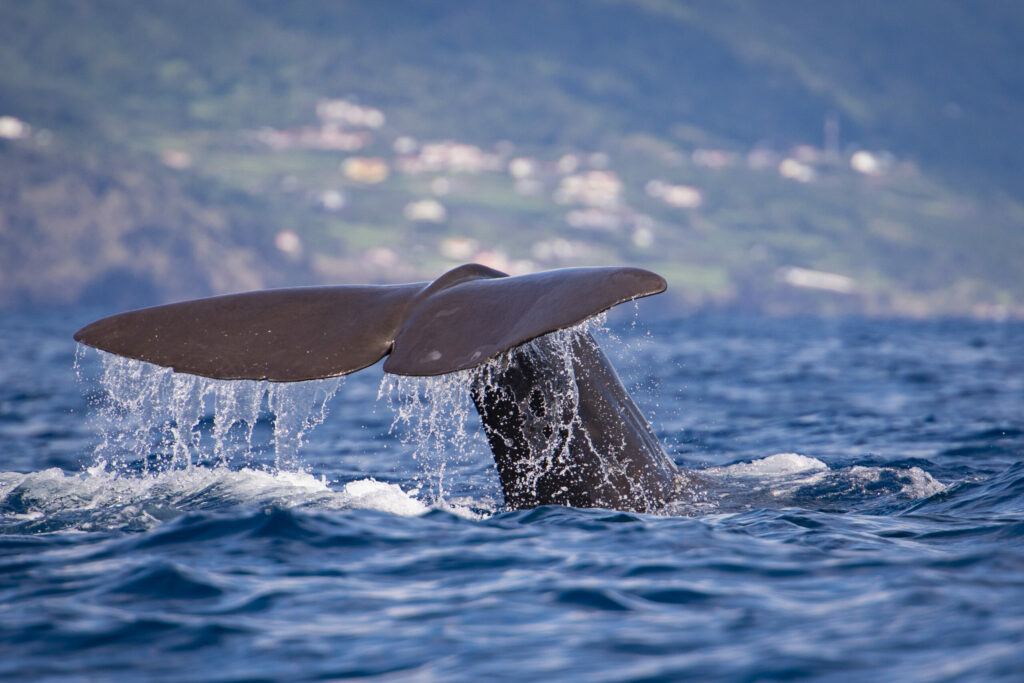
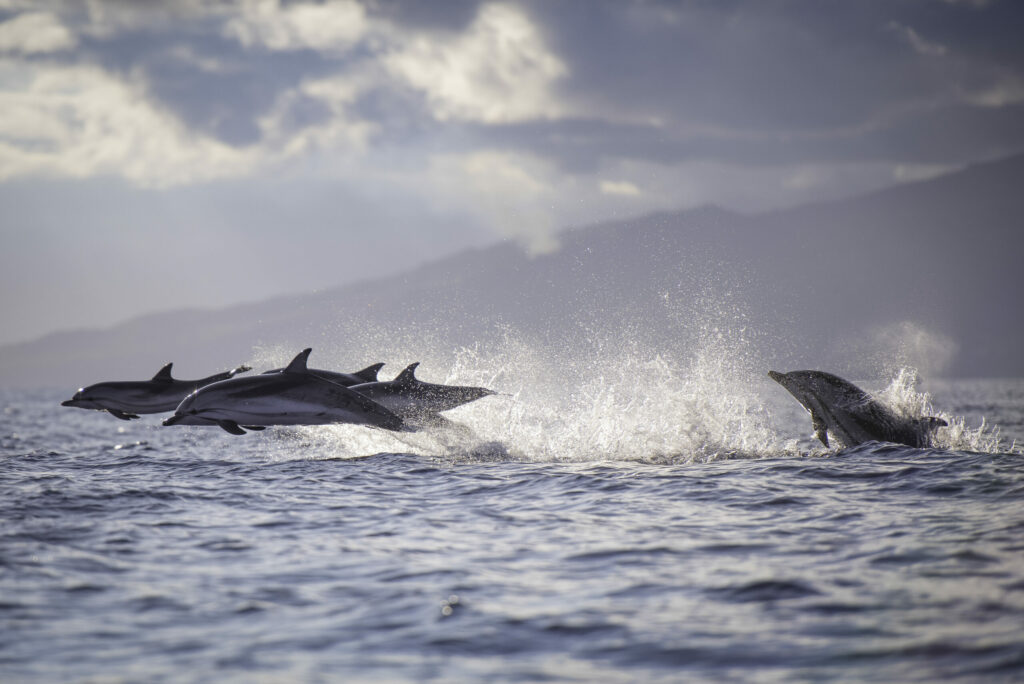
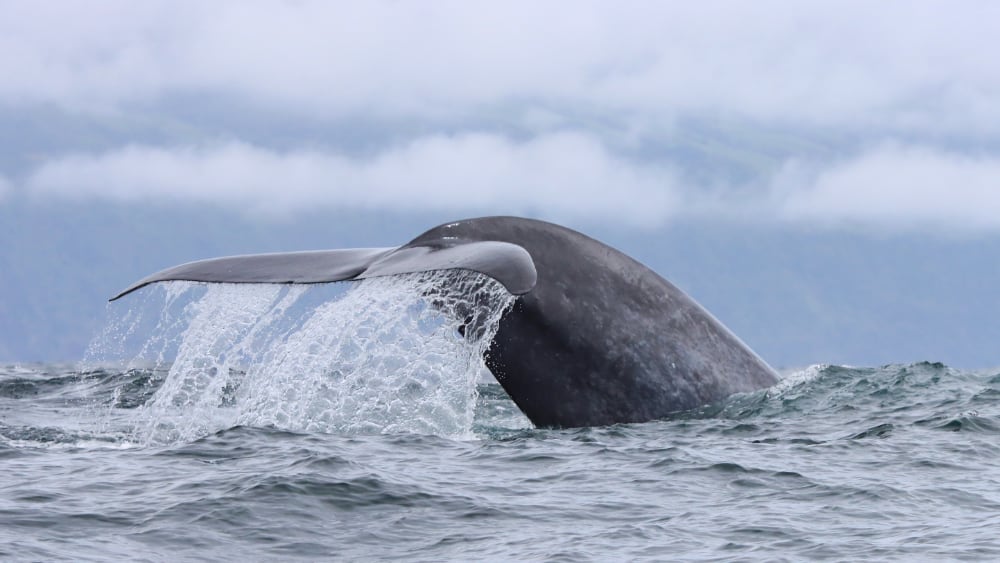
Our season runs from mid-March to late October, and we see whales and dolphins in every month of it: from 2023 to 2026, 99.9% of our trips had cetacean sightings. Sperm whales live around Pico and are seen on 7 out of 10 trips, rising to 9 out of 10 in July. Blue, fin and humpback whales pass by in spring: in March we saw blue whales on more than two thirds of our trips.
It depends on what you want to see:
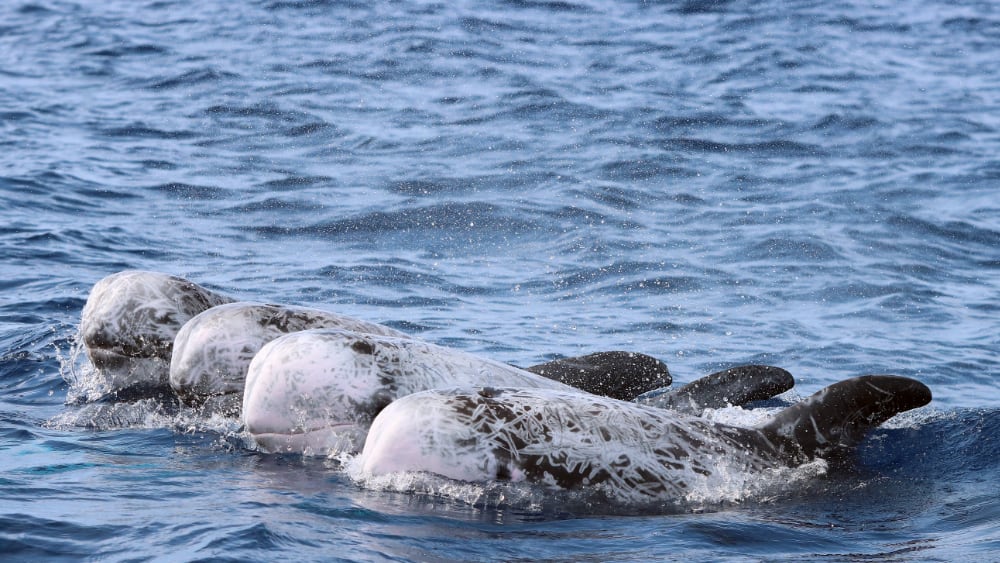
Yes. From 2023 to 2026, 99.9% of our trips found cetaceans, with almost 4 species per trip on average and up to 10 on a record day. Around Pico we have recorded 28 of the 29 cetacean species known in the Azores. Trips are guided by marine biologists, and Espaço Talassa has more than 35 years of experience in these waters.
Lajes do Pico, the old whaling village where Espaço Talassa has run whale watching since 1989. Deep water close to shore puts the observation areas on average 10 minutes from the harbour (30 minutes from busier ports such as Horta, Madalena or Ponta Delgada), and land-based lookouts guide the boats to the animals. Fewer boats mean calmer, more natural encounters.
Figures from our sightings records, 2023–2026 (1,429 trips). See the full data, month by month and species by species, on our Sightings & Statistics page.


At Espaço Talassa, we don’t go out on luck.
From our exclusive land-based lookout, the Vigia da Queimada, our team tracks the movements of whales and dolphins long before you step on board.
Every morning, before departure, we go over the situation with the lookout: which species are around, how far away, how many animals, whether there are calves, what they’re doing and how the sea is.
That’s why we never leave the harbour blind. We know where we’re going, and the rest is up to them.